

PROMPT PLUMBING AND AIR BLOG
Water Leak Detection Adelaide: How to Find Hidden Leaks Before They Cause Damage
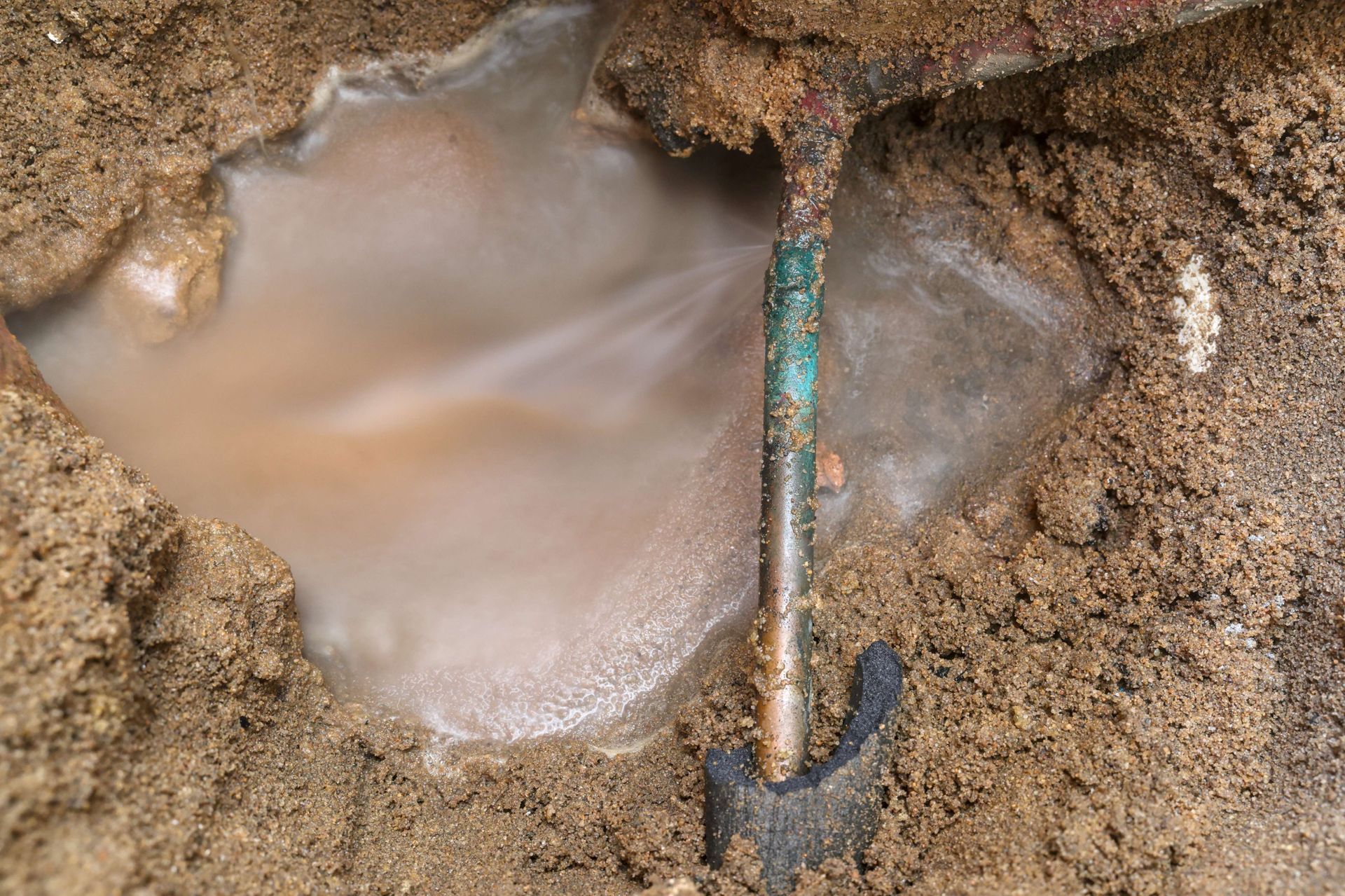
A water leak does not always announce itself with a burst pipe or a puddle on the floor.
Some leaks happen behind walls, beneath concrete, under tiles, around bathrooms, or in underground pipework where the first clue may simply be a higher water bill.
If you are in Adelaide and suspect a hidden leak, acting early can help limit water waste and reduce the risk of damage to floors, walls, cabinetry, foundations and other parts of the property.
Prompt Plumbing and Air provides water leak detection and repair services and uses non-invasive equipment to help locate difficult leaks without unnecessary damage to the property.
This guide explains how to recognise a hidden leak, what a slab leak can look like, how much water a small leak can waste, how to distinguish a plumbing leak from rising damp, how professional leak detection works, what to know about insurance, why a water bill can suddenly rise, and some of the common places hidden leaks occur in Adelaide homes.
How to Tell if You Have a Hidden Water Leak
Hidden leaks can be difficult to spot because the pipe itself may be inaccessible.
Instead of looking for the pipe, look for changes in water use, moisture, pressure, sound and the condition of surfaces.
Your water bill suddenly increases
An unexplained increase in water use is one of the strongest clues.
First rule out normal causes such as extra garden watering, a swimming pool top-up, more people in the home, a new appliance or a longer billing period.
If usage remains unusually high, investigate for a leak.
The water meter moves when everything is off
Turn off taps and water using appliances and avoid flushing toilets.
Record the meter reading, wait roughly one to two hours, then check it again.
If the reading has changed despite no water use, there may be a leak on your property.
SA Water recommends this type of meter check.
Damp, stained or warped surfaces
Watch for damp or discoloured walls, swollen cabinetry, warped flooring, bubbling paint, damaged plaster or unexplained moisture.
A concealed plumbing leak can migrate away from the actual pipe, so the visible damp patch is not necessarily the leak location.
Mould or a persistent musty smell
Recurring mould or a musty smell in an otherwise dry area can indicate persistent moisture.
Mould has many possible causes, including condensation and ventilation problems, so it should be treated as a clue rather than proof of a plumbing leak.
Unexplained running water sounds
Hearing water movement when taps, showers, appliances and toilets are not being used can justify further investigation.
A faint hiss or rushing sound can be especially noticeable at quiet times.
Reduced or changing water pressure
A sudden change in pressure can have several causes, including supply issues or plumbing faults.
If it occurs alongside other leak symptoms, professional assessment is worthwhile.
Wet ground or unusually green patches outside
Damp soil, wet paving or a patch of unusually vigorous grass can indicate an underground water leak. SA Water lists these as common signs of leaks on a property.
7 Signs You May Have a Slab Leak
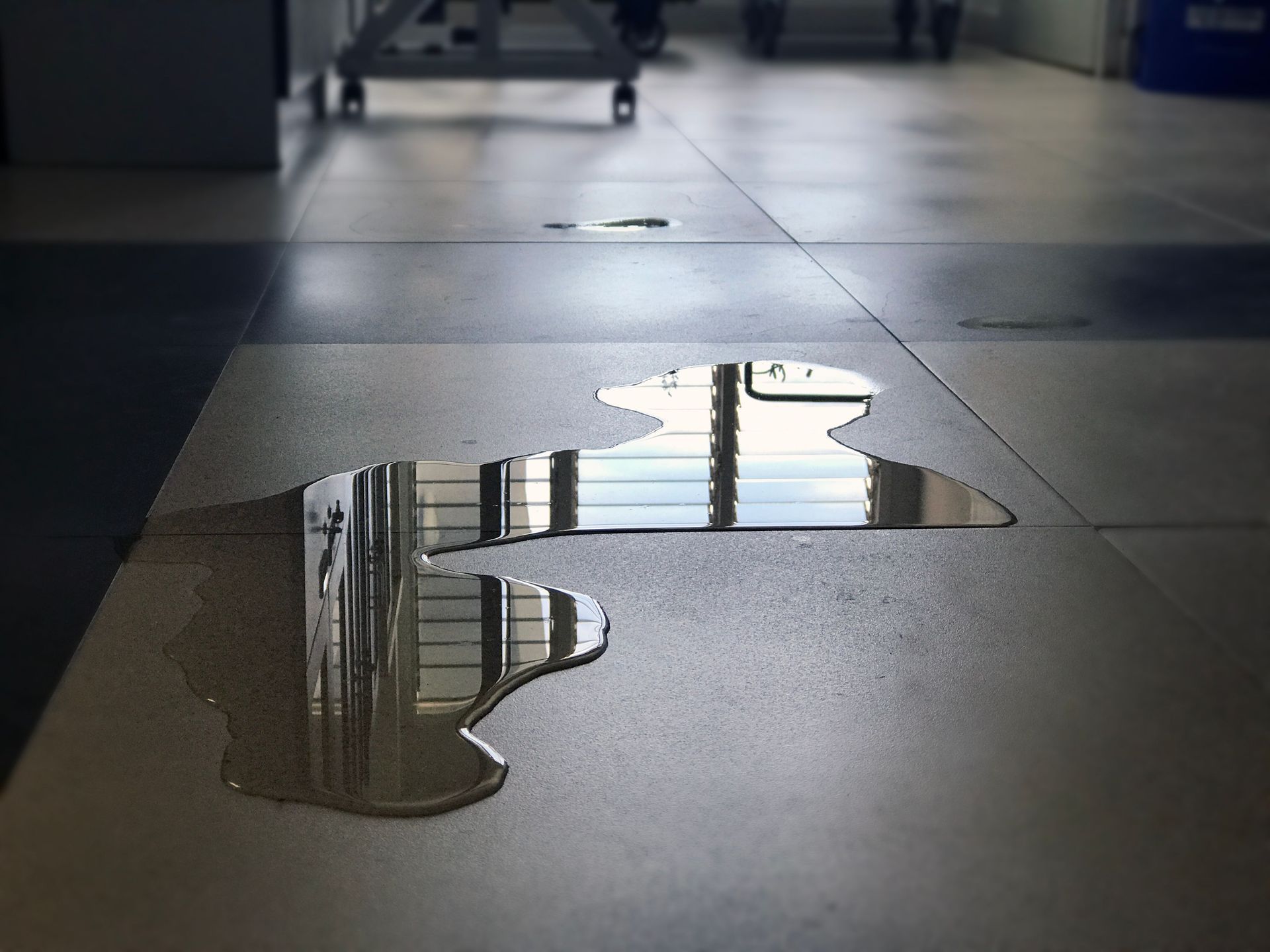
A slab leak is a leak in pipework located beneath or associated with a concrete slab.
Because the pipe is not readily accessible, the symptoms can be indirect. Do not assume every warm floor or crack means a slab leak; diagnosis is needed.
Warm or unusually wet flooring
A warm patch may occur where a hot water line is leaking beneath the slab.
Moisture can also create changes in flooring or the surrounding surface.
Unexplained damp patches
Moisture appearing in a floor, skirting board or wall area without an obvious source can indicate concealed pipework.
A sudden increase in water use
A persistent unexplained increase in water consumption can point to a concealed leak.
The sound of running water
Water moving through a hidden pipe can sometimes be heard even when fixtures are off.
Low or inconsistent pressure
A significant concealed leak can affect pressure, although other plumbing or supply problems can produce the same symptom.
Floor movement or damaged finishes
Moisture can affect flooring materials and surrounding finishes.
Cracks or movement should not automatically be attributed to a leak and may require a building professional.
Persistent dampness with no visible plumbing source
If moisture keeps returning after surface water is removed, investigate the source rather than repeatedly repairing the finish.
If you suspect a slab leak, avoid drilling, cutting concrete or lifting tiles simply to search for the source.
A professional can assess the evidence and use targeted detection methods before any intrusive repair is considered.
How Much Water Can a Small Leak Waste?
The amount depends on the leak rate. A tiny continuous leak can add up because it runs around the clock.
For perspective, a leak flowing at 1 litre per minute would waste about 1,440 litres in 24 hours, or about 43,200 litres in 30 days. At 0.1 litre per minute, the same calculation is about 144 litres a day and 4,320 litres a month.
These are simple flow rate examples, not a prediction of what your leak is wasting. Actual loss depends on the size of the opening, pressure, whether the leak is intermittent and how long it continues.
A running toilet can also waste substantial amounts: SA Water states that a running toilet cistern can waste up to 260 litres per day.
A simple way to estimate your own leak
If you can safely capture the water from a visible leak, measure the volume collected over a known period and multiply it to estimate daily loss.
For concealed leaks, do not attempt to expose pipework yourself; a meter-based test and professional investigation are safer ways to establish whether water is being consumed when it should not be.
Water Leak vs Rising Damp: How to Tell the Difference
Both plumbing leaks and rising damp can produce staining, damaged paint, mould or a damp smell.
The key is to identify the moisture pathway rather than relying on appearance alone.
Clues that point towards a plumbing leak
The damp area may be close to a bathroom, kitchen, laundry, hot water system or known pipe route.
You may also see a higher water bill, meter movement, a running water sound, a pressure change, or moisture that appears after plumbing is used.
Clues that point towards rising damp
Rising damp is moisture moving upward from the ground through porous masonry.
South Australian building guidance notes that it commonly presents as staining or damage to plaster and can be accompanied by salt attack, including white powdery deposits and bubbling or powdering plaster.
Why appearance alone is not enough
Moisture can travel through building materials, and more than one moisture source can exist at the same property.
South Australian technical guidance notes that penetrating damp can result from leaking water or waste pipes and may require techniques such as acoustic detection, thermal imaging and moisture meter surveys to trace difficult sources.
If you cannot establish the source, investigate before repainting or replacing finishes.
Fixing the visible damage without fixing the moisture source can allow the problem to return.
How Professional Leak Detection Works
Professional leak detection is a process of narrowing down the source before carrying out unnecessary demolition.
The exact method depends on the property, pipework and symptoms.
Step 1: Discuss the symptoms and history
Our plumbers will typically establish when the problem started, where moisture has appeared, whether water usage changed, which fixtures are affected, and whether the property has had previous plumbing work or repairs.
Step 2: Check visible plumbing and water use
The investigation can begin with accessible fixtures, valves, toilets, appliances, the meter and other likely sources.
This helps distinguish an obvious leak from a concealed one.
Step 3: Measure moisture and investigate the likely pathway
Moisture detection equipment can help identify areas affected by hidden moisture.
The objective is to map the problem rather than guess from the most visible stain.
Step 4: Use non-invasive detection where appropriate
Depending on the situation, thermal imaging can identify temperature differences, while acoustic listening equipment can help detect the sound characteristics of escaping water.
These tools are particularly useful when the pipe cannot be visually inspected.
Step 5: Confirm the likely leak location
The evidence from pressure, moisture, sound, thermal patterns and the property layout can be combined to narrow down the likely source.
The goal is a targeted repair rather than unnecessary damage to walls, floors or concrete.
Step 6: Repair and verify
Once the cause is identified, the appropriate repair can be planned.
After repair, the plumbing should be checked again so the property owner can have greater confidence that the leak has stopped.
Does Home Insurance Cover Water Leaks?
Sometimes, but there is no universal answer. Home insurance policies differ, and cover depends on the policy wording, the cause of the leak, the type of damage and whether exclusions apply.
Sudden escape of water can be treated differently from gradual damage
Some policies cover damage resulting from an insured event such as a sudden escape of liquid, while exclusions can apply to wear and tear, maintenance issues, defects or gradual deterioration.
AFCA decisions show that the precise policy wording and evidence about how the damage occurred can matter.
What to do if you discover a leak and may claim
Take photographs and videos of the affected areas before moving or repairing things where it is safe to do so.
Contact your insurer promptly, review your Product Disclosure Statement and ask what emergency measures and repair steps they want you to take. Keep plumbing reports, invoices and photographs.
What about the plumbing repair itself?
A policy may treat the cost of finding or repairing the failed component differently from the resulting water damage.
Never assume the entire plumbing job is covered.
Ask the insurer exactly what is included, what excess applies and whether you must use a preferred repairer.
This section is general information, not insurance advice. Your policy and insurer determine your cover.
Why Is My Water Bill Suddenly So High?

A high bill does not automatically mean you have a leak. Start by comparing the current billing period with previous periods and consider changes in household or garden water use.
Check these common explanations first
- More people staying at the property or a change in household routines
- Extra irrigation or garden watering
- Filling or topping up a swimming pool
- Using a pressure cleaner
- A new dishwasher, evaporative air conditioner or other water using appliance
- A longer billing period or an estimated meter reading
Then perform a leak check
Make sure water is not being used, record your meter, wait about one to two hours, and check it again.
If the reading changes, investigate the property plumbing.
SA Water advises customers to contact a licensed plumber like Prompt Plumbing and Air for leaks on their property.
Check your toilet
A silent toilet leak is easy to overlook. Add a few drops of food colouring to the cistern without flushing.
If coloured water appears in the bowl, the cistern is leaking.
Know where responsibility changes
SA Water advises that it is responsible for certain leaks between the water main and the meter, while leaks on the customer's side of the meter are generally the property owner's plumbing issue.
Do not interfere with the meter itself.
The Most Common Hidden Leaks in Adelaide Homes
Hidden leaks can occur in many parts of a property. The following areas are worth checking when the symptoms fit.
Bathroom and shower pipework
Leaks behind walls, around shower plumbing or beneath tiled areas can be difficult to see. Dampness in an adjacent room can be an important clue.
Toilets and cisterns
A toilet can leak without leaving an obvious puddle. Continuous cistern leakage can increase water consumption significantly.
Kitchen sinks and appliances
Supply connections, flexible hoses, dishwasher connections and pipework inside cabinetry can leak into cupboards or floors.
Laundry connections
Washing machine hoses, taps and concealed connections can leak intermittently or continuously.
Hot water pipework
Leaks in hot water lines can create warm floor areas or unexplained water use.
The hot water system itself can also have visible leaks or discharge issues.
Underground and garden pipework
Irrigation, outdoor taps and buried supply lines can leak beneath soil, paving or garden beds.
Pipework under concrete slabs
A slab leak can produce indirect signs such as dampness, warm spots, changing pressure or unexplained water consumption.
Wall cavities and concealed plumbing
Water can travel away from a failed fitting before appearing on a wall, ceiling or floor, making the visible damage misleading.
What to Do If You Suspect a Water Leak
Stop unnecessary water use and, if appropriate for the situation, isolate the property's water supply using the meter tap for an emergency or plumbing work.
Record your water meter reading and note any visible symptoms.
Check obvious sources such as toilets, taps, appliances and exposed pipework.
Photograph damp areas, staining and visible water damage.
Do not cut into walls, concrete or tiles just to search for a leak.
Arrange our licensed plumbers to investigate if the source is not obvious or the meter indicates ongoing water use.
If you suspect an insurance claim, contact your insurer promptly and follow its instructions about make safe work and evidence.
When Is a Water Leak an Emergency?
Treat a water leak as urgent when water is actively escaping, the source cannot be controlled, electrical hazards may be present, ceilings or walls are becoming saturated, water is entering living areas, or a burst pipe is affecting the property.
If there is immediate danger, move people away from the affected area and use the appropriate emergency services.
For plumbing emergencies, our 24/7 plumbers can help isolate and repair the problem fast.
Prompt Plumbing and Air Adelaide provides a comprehensive leak detection service with urgent and same day response, including emergency callouts for water leak detection and repair for residential and commercial properties
Why Early Leak Detection Matters
The longer a concealed leak continues, the more water may be lost and the more opportunity there is for moisture to affect building materials.
Early investigation can also reduce the temptation to repeatedly patch visible damage without finding the source.
For Adelaide homeowners, early action is particularly sensible when a leak may be underground or beneath concrete because the source may not be visible until the problem has progressed.
Adelaide Water Leak Detection and Repair
If you have unexplained water use, dampness, a suspected slab leak, or another concealed plumbing problem, Prompt Plumbing and Air provides water leak detection and repair in Adelaide.
Our service includes the use of thermal imaging, acoustic listening devices and moisture detection tools to help locate difficult leaks non invasively, and with our highly experienced and licensed plumbers specialising in both residential and commercial plumbing leak detection services in Adelaide.
For same day and emergency response, we provide upfront/fixed pricing for leak repairs.
Suspect a hidden water leak?
Contact Prompt Plumbing and Air now on 0402 644 229 for professional water leak detection in Adelaide and get the source investigated before a small problem becomes a major repair.
Frequently Asked Questions
How do I know if I have a hidden water leak?
Look for unexplained water bill increases, meter movement when water is not being used, damp or discoloured surfaces, mould or musty smells, reduced pressure, unexplained running water sounds, or wet ground outside.
Can a small water leak cause a high water bill?
Yes. Continuous flow adds up over time. Even a small flow rate can waste thousands of litres over a month, depending on the leak rate and pressure.
What does a slab leak sound like?
Some leaks produce a faint hissing or rushing sound, but sound is not a reliable diagnosis by itself. Professional acoustic detection can help investigate concealed pipework.
Can thermal imaging find a water leak?
Thermal imaging can identify temperature differences associated with some leaks, particularly where hot water lines are involved. It is one diagnostic tool rather than a guarantee of detection in every situation.
Is rising damp the same as a water leak?
No. Rising damp involves moisture moving upward from the ground through masonry, while a plumbing leak involves escaping water from pipework or a plumbing fixture.
They can look similar, so the moisture source should be identified before repairs.
Will home insurance cover a water leak?
It depends on your policy. Sudden escape of liquid may be covered under some policies, while gradual damage, wear and tear, maintenance issues or certain defects may be excluded. Check your PDS and speak with your insurer.
Should I turn off my water if I suspect a hidden leak?
If water is actively escaping and you can safely isolate the supply, shutting off the water can limit further loss.
For urgent situations, contact our licensed plumbers.
How long does professional leak detection take?
It varies with the property's size, pipe layout, accessibility and the leak itself. Straightforward leaks can be quicker to locate, while concealed or intermittent leaks may require more investigation.